This Video Is Trending Right Now →
Key Points
- Nigeria has become the number one destination for energy investments in Africa between 2023 and 2026, driven by aggressive government reforms.
- The country’s share of upstream Final Investment Decisions (FIDs) in Africa surged from 4 per cent to approximately 40 per cent between 2024 and 2025.
- Oil production increased by 400,000 barrels per day, rising from 1.2 million bpd in 2023 to 1.6 million bpd in 2025.
- A renewed pipeline of over $10bn in FIDs has been secured, with future projected upstream projects valued at over $50bn.
- Local refining capacity significantly improved, with PMS production reaching 48.2 million litres per day in 2026, effectively eliminating petrol queues.
Main Story
A new government report reviewing energy sector reforms from 2023 to 2026 reveals that Nigeria has reclaimed its position as the leading destination for capital in Africa.
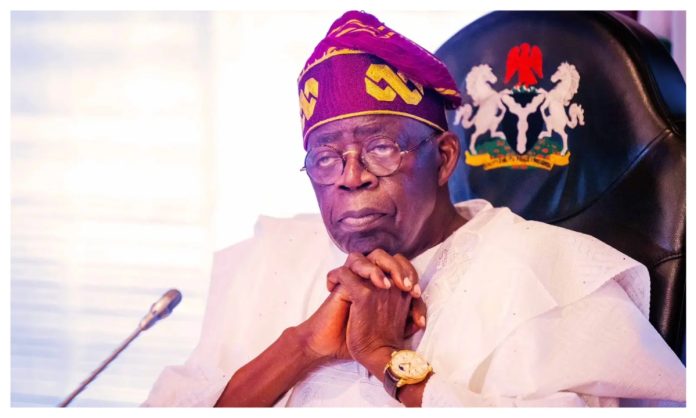
Under the administration of President Bola Tinubu, the country reversed years of declining investment caused by policy uncertainty.
The reforms, which included multiple executive orders and tax incentives, successfully attracted over $10bn in deep offshore and integrated gas projects, restoring the interest of international oil companies in long-cycle ventures.
The policy shift also facilitated approximately $4bn in divestments, transferring onshore and shallow-water assets from international firms like Shell and ExxonMobil to capable indigenous operators such as Seplat and Oando.
This transition has unlocked record growth in onshore production, which reached its highest level in two decades. Furthermore, the gas sector saw a 40 per cent increase in utilization, positioning gas as a foundation for national industrialization and export growth.
The Issues
- Prior to 2023, the sector suffered from “policy uncertainty and underinvestment” that caused years of decline.
- Global upstream investment has been “tightening,” making it harder for African nations to attract scarce capital.
- Long-standing challenges such as “oil theft, pipeline vandalism, and regulatory uncertainty” previously limited the sector’s economic contribution.
- The power sector has historically struggled with “liquidity challenges,” necessitating a comprehensive debt reduction programme.
What’s Being Saidnk
- “The future we seek will not be imported. It will be built here, by you.”
- “Gas is now firmly positioned not only as a transition fuel but as a foundation for industrialisation, export growth, and domestic value creation,”
- “Local refining capacity has more than doubled… This has improved fuel availability and eliminated queues,”
What’s Next
- The government is targeting a long-term oil production goal of “three million barrels per day”.
- A “robust pipeline of future investments” exceeding $50bn is expected to take shape, including the Bonga South West and Zaba Zaba developments.
- Efforts will continue to resolve “legacy obligations” in the power sector through a bond-backed framework.
- Sustained growth will depend on “continued policy consistency” and the ability of local firms to manage newly acquired assets efficiently.
Bottom Line
Sweeping fiscal and regulatory reforms have moved Nigeria from a 4 per cent to a 40 per cent share of African upstream investment decisions, sparking a $10bn capital resurgence and record onshore oil production.
For more Naija celebrity news and updates, keep following Gist News for the latest Naija celebrity news and trends in Newspaper Nigeria Headlines.
Naija gist news
latest Naija gist
Naija news live