This Video Is Trending Right Now →
Key Points
- The Association of Women in Agriculture is encouraging Lagosians to start home gardens to counter food inflation and high fuel costs.
- Rising fuel prices have significantly increased transportation costs, which are being passed on to consumers at the market.
- Residents can utilize non-traditional spaces like backyards, containers, and small plots for urban agriculture.
- Low-cost materials such as used tires, buckets, and rice sacks are being promoted for planting crops like tomatoes and peppers.
- Small-scale farming is presented as a practical solution to improve household nutrition and reduce financial pressure.
Main Story
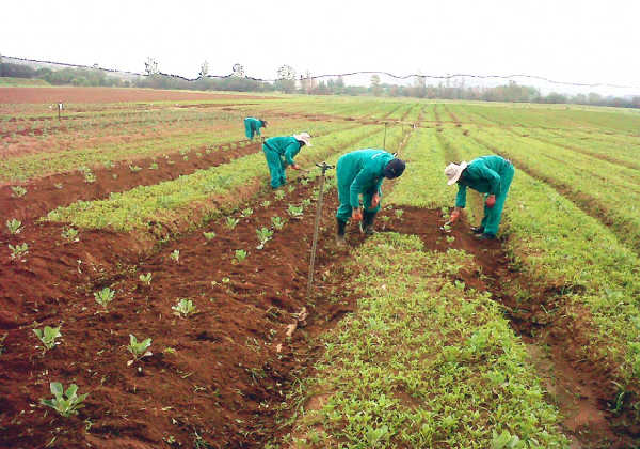
In a move to address the mounting financial strain on households, the Association of Women in Agriculture has called for a widespread shift toward urban farming in Lagos.
President of the association, Alhaja Mulikat Ogunlola, highlighted that the recent hike in fuel prices has created a ripple effect, driving up the cost of moving food from farms to city centers.
By growing their own produce, residents can bypass these inflated market prices and decrease their dependence on external supply chains.
Ogunlola emphasized that a lack of large land tracts should not be a deterrent for city dwellers. The association is actively promoting “low-cost planting methods” that transform everyday household items into productive gardens. This approach not only makes fresh, nutritious food more accessible but also serves as a sustainable strategy for coping with the general increase in the cost of living.
The Issues
- “Fuel price increases” have made the logistics of food distribution prohibitively expensive.
- Many households are struggling to “grapple with the rising cost of living” and mainta in nutritional standards.
- There is a need for “increased awareness and support” to help residents transition to urban farming.
- Stakeholders are calling for better government intervention in providing “training and access to inputs”.
This Video Is Trending Right Now 👇
What’s Being Said
- “Fuel price increases have made the cost of transporting food items very high, and this is reflected in what consumers pay in the market.” — Alhaja Mulikat Ogunlola
- “You do not need a large expanse of land to start farming. Containers, backyards and small plots can be used to grow vegetables.” — Alhaja Mulikat Ogunlola
- “Small-scale farming remains a practical and sustainable response to food inflation and rising fuel costs.” — Alhaja Mulikat Ogunlola
- Engagement in this practice will “not only reduce food expenses but also improve access to fresh and nutritious produce.” — Alhaja Mulikat Ogunlola
What’s Next
- Calls for the “government and relevant stakeholders” to provide formal training and agricultural inputs.
- Advocacy will continue to push for more residents to “embrace small-scale farming” as a long-term habit.
- Efforts aim to help households “maximize available resources” to build more resilient food systems.
- The association will likely track the success of “crops such as pumpkin leaves and tomatoes” grown in urban settings.
Bottom Line
Urban Agriculture. Small-scale home farming is being championed as a vital economic shield for Lagos residents, turning small spaces and recycled materials into sources of affordable, fresh food amid soaring transportation and market costs.
For more Naija celebrity news and updates, keep following Gist News for the latest Naija celebrity news and trends in Newspaper Nigeria Headlines.
Naija gist news
latest Naija gist
Naija news live