This Video Is Trending Right Now →
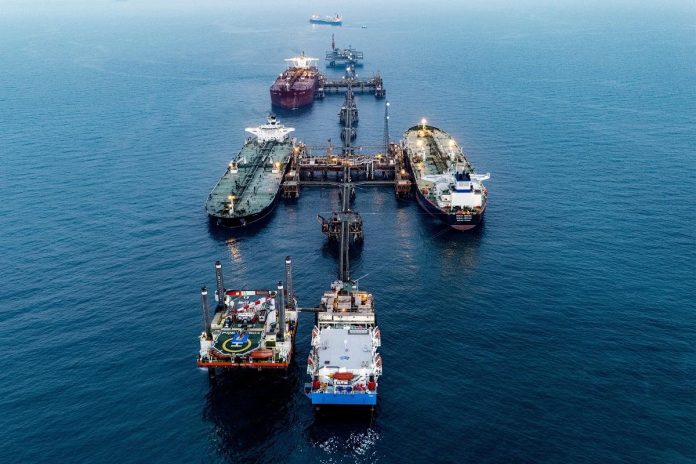
Keypoints
- Iranian state media reports that the Strait of Hormuz has been closed again because the U.S. allegedly failed to meet its side of a temporary agreement.
- Tehran officials suggest they had initially agreed to let some ships through, but they claim the continued U.S. blockade of Iranian ports forced a reversal.
- Military spokespeople in Iran say the waterway is back under “strict management,” meaning ships now need direct permission from Iran to pass.
- Iranian negotiators appear to be linking the freedom of the Strait to the removal of U.S. naval restrictions on their own trade hubs.
- Reports from Tehran indicate that while they acknowledged the Lebanon ceasefire, they do not feel the U.S. is acting in good faith regarding broader peace talks.
Main Story
According to reports coming out of Tehran this Saturday, April 18, 2026, the Iranian government has decided to shut down the Strait of Hormuz once again.
This comes less than twenty-four hours after they had signaled the waterway was open for business. State media outlets, including IRIB, are claiming that this move is a direct response to the United States failing to “fulfill their obligations.”
From Iran’s perspective, they had shown a gesture of goodwill by opening the lane on Friday, but they allege that Washington did not reciprocate by easing the blockade on Iranian ports.
Spokespersons for the Revolutionary Guard (IRGC) are being quoted as saying that the waterway has returned to its “previous state” of tight military control.
They seem to be sending a clear message: as long as Iranian ports remain under a U.S. naval shadow, the global oil corridor will remain under theirs. While there were hopes that the ceasefire in Lebanon would spill over into a broader peace, the narrative from Tehran suggests a deep lack of trust in the ongoing negotiations currently being held in Islamabad.
The Issues
The primary challenge is the broken-trust gap; Iran claims they opened the door and the U.S. refused to walk through it with a matching offer. Authorities in the region must solve the problem of conflicting signals, as the brief opening on Friday led to massive confusion and tankers being turned away. Furthermore, there is a threat of escalation; with the U.S. presidency warning of a return to “dropping bombs” by Wednesday, the Iranian leadership seems to be using the Strait as its primary defensive shield. To find a way out, the “coordinated route” mentioned by Iran’s Foreign Minister would likely need to be matched by a verifiable “opening” of Iran’s own trade lanes, something that hasn’t happened yet.
This Video Is Trending Right Now 👇
What’s Being Said
- “The U.S. did not fulfill their obligations… the Strait of Hormuz is now closed again,” according to posts shared by Iranian state broadcasting (IRIB).
- Lieutenant Colonel Ebrahim Zolfaghari reportedly stated that control has returned to the “strict management” of the armed forces.
- Iranian Foreign Ministry officials previously suggested the route would stay open for the “remaining period of the ceasefire,” but that stance seems to have shifted rapidly.
- Independent shipping analysts note that ships trying to exit the waterway on Friday appeared to be blocked, supporting the idea that the “opening” was never fully active.
What’s Next
- Tehran’s response to the upcoming Wednesday deadline will be closely watched to see if they are willing to offer another “limited” opening to avoid a new wave of air strikes.
- The Islamabad talks remain the only official channel where Iranian and U.S. negotiators might still be able to hash out a “who-goes-first” agreement.
- Iranian maritime authorities may release new rules for their “coordinated route,” though it remains to be seen if any international tankers will risk the journey.
- Internal discussions within Iran’s parliament are expected to focus on how much of their nuclear material they are truly willing to “recover” in exchange for a full end to the blockade.
Bottom Line
From the viewpoint of state media in Tehran, the closure of the Strait is a defensive necessity caused by U.S. pressure. While the world watches the oil prices and the Wednesday deadline, Iran is signaling that it won’t be the only one facing a blockade in this conflict.
For more Naija celebrity news and updates, keep following Gist News for the latest Naija celebrity news and trends in Newspaper Nigeria Headlines.
Naija gist news
latest Naija gist
Naija news live