This Video Is Trending Right Now →
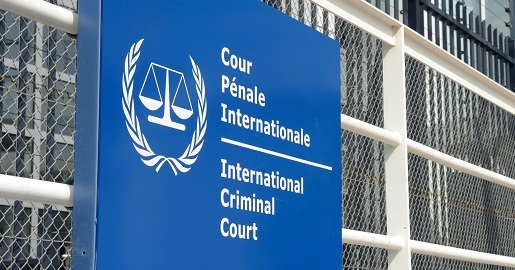
Keypoints
- The International Criminal Court (ICC) rejected a motion on Wednesday to dismiss the case against former Philippine President Rodrigo Duterte.
- Duterte’s defense had challenged the court’s jurisdiction, but judges upheld The Hague’s authority to conduct proceedings.
- The 81-year-old faces charges of crimes against humanity, specifically linked to 78 cases of murder and attempted murder during his anti-drug war.
- Human rights groups estimate the “War on Drugs” resulted in up to 30,000 deaths between 2016 and 2022.
- A final decision on whether there is sufficient evidence to proceed to a full trial is expected by the end of April 2026.
Main Story
The legal walls are closing in on Rodrigo Duterte as the International Criminal Court moves closer to a historic trial. In a significant ruling on Wednesday, judges in The Hague dismissed a last-ditch effort by Duterte’s legal team to halt proceedings based on jurisdictional grounds.
The former president, who was arrested in Manila in March 2025 and subsequently extradited to the Netherlands, has consistently maintained that the ICC has no authority over his administration’s domestic policies.
The prosecution’s case focuses on the systematic nature of the “state-led war on drugs” that defined Duterte’s presidency from 2016 to 2022. Prosecutors allege that the campaign was not a legitimate law enforcement operation but a series of extrajudicial killings that constitute crimes against humanity.
While the current proceedings involve 78 specific cases of murder and attempted murder, the broader context of the investigation involves the estimated 30,000 lives lost to summary executions. The court is currently in the “confirmation of charges” phase, determining if the evidence is robust enough to warrant a formal trial.
The Issues
This Video Is Trending Right Now 👇
The primary challenge is the jurisdictional-sovereignty dispute; the Philippines officially withdrew from the ICC in 2019, creating a complex legal debate over whether the court can prosecute crimes committed while the country was still a member. Authorities must solve the problem of evidence-gathering hurdles, as many witnesses in the Philippines still fear retaliation despite Duterte being in custody abroad. Furthermore, there is a political-instability risk; the case remains highly polarizing in Manila, and the outcome of the ICC’s decision could trigger civil unrest among the former president’s staunch supporters. To succeed, the ICC must demonstrate absolute procedural transparency to counter Duterte’s claims that the charges are “baseless” and politically motivated.
What’s Being Said
- “The court in The Hague has the jurisdiction to conduct criminal proceedings,” the panel of judges ruled, upholding an earlier decision.
- Prosecutors have accused the 81-year-old of “crimes against humanity… specifically murder and attempted murder in 78 cases.”
- Human rights organizations have characterized the campaign as a “ruthless” period where “suspects were often summarily executed without trial.”
- Duterte has dismissed all charges as “baseless,” maintaining that his actions were necessary to save the Philippines from becoming a “narco-state.”
What’s Next
- The ICC judges are expected to deliver a definitive ruling on whether there is sufficient evidence for a trial by April 30, 2026.
- If the charges are confirmed, a formal trial date will be set, marking the first time a former Southeast Asian head of state is tried by the ICC.
- The Philippine government is anticipated to face renewed domestic pressure to either cooperate fully with the court or officially protest the ruling.
- Legal observers expect the defense to file additional interlocutory appeals to delay the commencement of the trial phase.
Bottom Line
By rejecting Duterte’s jurisdictional challenge, the ICC has signaled that no head of state is immune from international law, regardless of their country’s current membership status. The upcoming end-of-month decision will determine if the “War on Drugs” finally moves from the streets of Manila to the witness stand in The Hague.
For more Naija celebrity news and updates, keep following Gist News for the latest Naija celebrity news and trends in Newspaper Nigeria Headlines.
Naija gist news
latest Naija gist
Naija news live