This Video Is Trending Right Now →
By Boluwatife Oshadiya
Key Points
- CBN now requires regulatory approval before banks declare dividends
- Policy aims to strengthen capital buffers and financial stability
- Move aligns with BOFIA 2020 and global prudential standards
- Banks undergoing recapitalisation and stricter stress testing
- Investors urged to focus on capital quality, not just profitability
Main Story
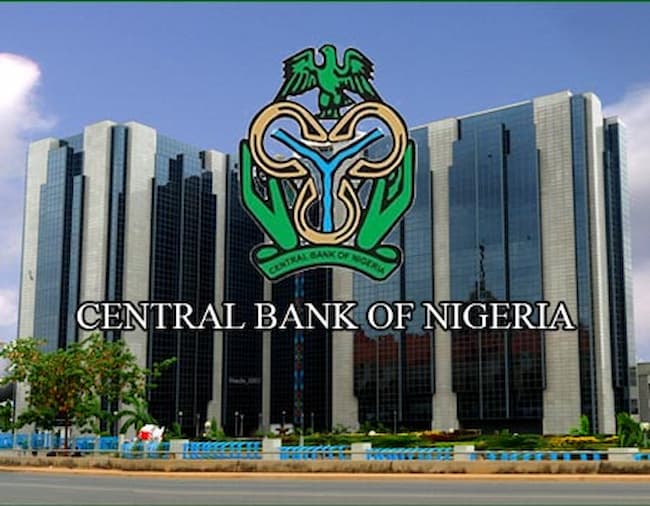
The Central Bank of Nigeria (CBN) has introduced a new directive requiring banks to obtain regulatory approval before declaring dividends, marking a significant shift in the country’s banking oversight framework.
The policy is designed to reinforce capital discipline, ensure earnings quality, and safeguard financial system stability as the sector undergoes recapitalisation and regulatory adjustments.
The directive is anchored in the provisions of the Central Bank of Nigeria Act, 2007 and the Banks and Other Financial Institutions Act (BOFIA), 2020, which empower the apex bank to supervise capital adequacy, asset quality, and risk management practices.
Under existing prudential guidelines, banks are required to pay dividends only from realised profits after adequate provisioning, without compromising minimum capital thresholds.
What’s Being Said
Regulatory authorities indicate that the new rule is intended to ensure that reported profits reflect actual financial strength, particularly in a high-inflation environment where earnings may be influenced by foreign exchange gains or restructured assets.
The policy also comes as the CBN phases out regulatory forbearance introduced during previous economic shocks, requiring banks to fully recognise non-performing loans and adhere to stricter IFRS 9-based provisioning standards.
From a policy standpoint, the directive focuses on three key objectives:
- Preserving capital buffers
- Enhancing financial system stability
- Aligning Nigeria’s banking regulations with global standards
This Video Is Trending Right Now 👇
Industry analysts note that similar restrictions have been applied in advanced economies during periods of financial adjustment, particularly following the 2008 global financial crisis.
Market Implications
For investors, the directive introduces a structural shift in how bank equities are evaluated.
Dividend payouts, traditionally a major attraction for banking stocks, will now depend on regulatory clearance tied to capital adequacy, asset quality, and risk exposure.
Banks with strong Tier 1 capital ratios, low non-performing loans, and minimal reliance on regulatory forbearance are expected to maintain consistent dividend flows.
Conversely, institutions with weaker balance sheets may face payout restrictions despite reporting profits.
What’s Next
The policy signals a transition toward a more resilience-focused banking system, where profitability is balanced against long-term sustainability.
As recapitalisation efforts continue and stress testing becomes more rigorous, analysts expect increased differentiation among banks based on capital strength and risk management practices.
Investors are likely to shift focus toward balance sheet quality metrics, including capital ratios, cost of risk, and provisioning coverage, as the market adjusts to the new regulatory environment.
For more Naija celebrity news and updates, keep following Gist News for the latest Naija celebrity news and trends in Newspaper Nigeria Headlines.
Naija gist news
latest Naija gist
Naija news live