This Video Is Trending Right Now →
Key points
- Donald Trump pauses “Project Freedom” to allow room for a potential U.S.–Iran agreement
- Strait of Hormuz remains under tension, with both military presence and shipping disruptions ongoing
- Global energy markets remain exposed, with the strait accounting for about 20% of traded oil flows
Main story
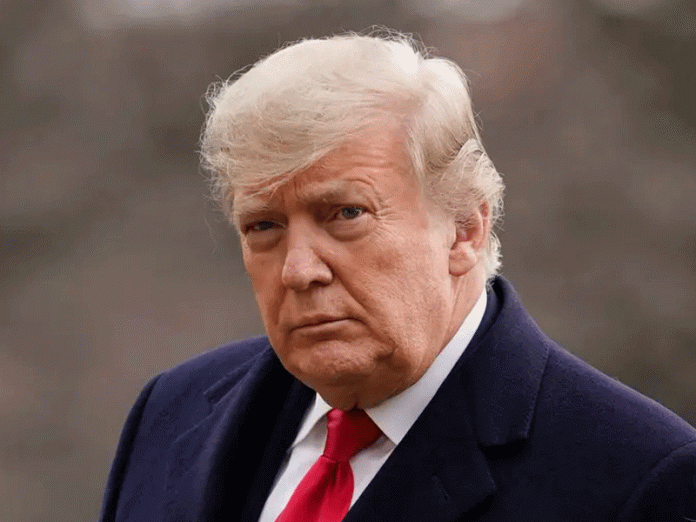
U.S. President Donald Trump has announced a temporary pause in “Project Freedom,” a U.S.-led initiative designed to secure commercial shipping through the Strait of Hormuz, as Washington explores the possibility of reaching a formal agreement with Iran.
Trump disclosed that the pause would allow time to assess progress in ongoing diplomatic efforts, even as the U.S. naval blockade on vessels entering or leaving Iranian ports remains fully in force.
The decision follows weeks of heightened tensions between the United States, Israel, and Iran, which have disrupted maritime traffic along one of the world’s most critical energy corridors. Since the escalation began in late February, Tehran has effectively restricted shipping through threats and targeted attacks, while Washington responded with military measures to restore access.
According to the U.S. administration, “Project Freedom” was launched to facilitate the safe passage of stranded vessels through the strait. However, Iranian counteractions, including reported attacks on U.S. forces, complicated implementation.
Trump said the pause was influenced by diplomatic pressure from countries including Pakistan, recent military gains by U.S. forces, and signs of progress toward a broader agreement with Tehran.
The issues
1. Global Energy Security
The Strait of Hormuz is one of the most vital maritime routes globally, with roughly one-fifth of the world’s traded oil and liquefied natural gas passing through it. Any disruption has immediate implications for global energy prices and supply chains.
2. Unresolved U.S.–Iran Disputes
Negotiations remain stalled over key issues, including Iran’s nuclear programme and its demand for control over shipping in the strait, including proposed toll systems for passing vessels.
This Video Is Trending Right Now 👇
3. Fragile Ceasefire Dynamics
Although hostilities that began on February 28, 2026, have officially ceased following an April 7 ceasefire, tensions remain high, with intermittent threats and retaliatory actions raising the risk of renewed conflict.
What’s being said
Trump maintained that the pause is strategic, aimed at creating space for diplomacy without weakening U.S. military posture.
U.S. officials, including Secretary of State Marco Rubio, said earlier that the military phase of operations—codenamed “Epic Fury”—had achieved its objectives, shifting focus toward stabilisation efforts.
Iran, through Foreign Minister Abbas Araghchi, has warned against continued U.S. interference, insisting on greater control over maritime traffic in the region.
What’s next
Diplomatic negotiations between Washington and Tehran are expected to continue, with the pause in “Project Freedom” serving as a window for potential agreement.
Meanwhile, Iran is reportedly considering stricter controls over vessel movement in the strait, including a new approval system for transit—moves that could further complicate global shipping if implemented.
Bottom line
The temporary halt of the U.S. shipping initiative signals a shift from military enforcement to cautious diplomacy, but with unresolved tensions and competing strategic interests, the stability of the Strait of Hormuz—and by extension global energy markets—remains uncertain.
For more Naija celebrity news and updates, keep following Gist News for the latest Naija celebrity news and trends in Newspaper Nigeria Headlines.
Naija gist news
latest Naija gist
Naija news live