This Video Is Trending Right Now →
Key points
- Tanzania records 130% food self-sufficiency following increased crop production.
- Total food output rises to 23.78 million tonnes in 2024/2025 farming season.
- Surplus production positions country for exports and improved food security.
Main story
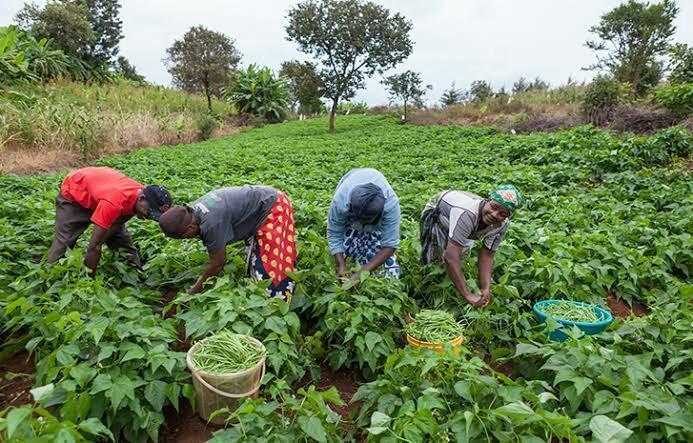
Tanzania has achieved a 130 per cent food self-sufficiency rate following a significant increase in agricultural production during the 2024/2025 farming season.
The country’s Minister of Agriculture, Daniel Chongolo, disclosed this while presenting the ministry’s budget proposals for the 2026/2027 financial year before parliament in Dodoma.
According to Chongolo, total food crop production rose to 23,783,128 tonnes, representing a 4.3 per cent increase from the 22,803,316 tonnes recorded in the 2023/2024 season.
He noted that cereal production reached 14,924,582 tonnes, marking a 2.3 per cent increase, while non-cereal food crops recorded stronger growth, rising by 7.8 per cent to 8,858,546 tonnes.
The minister said the total output exceeded the country’s food requirement of 18,279,054 tonnes for the 2025/2026 consumption period, resulting in a surplus of over 5.5 million tonnes.
The issues
While the achievement reflects improved agricultural productivity, sustaining such growth will require continued investment in infrastructure, climate resilience, and market access.
Food surplus also presents challenges related to storage, distribution, and value chain efficiency, which are critical to preventing post-harvest losses.
This Video Is Trending Right Now 👇
Additionally, global market dynamics and climate variability could impact future production levels and export opportunities.
What’s being said
Chongolo attributed the increase in output to favourable production conditions and enhanced agricultural practices.
He emphasised that the surplus provides an opportunity to strengthen national food security, stabilise domestic food prices, and expand agricultural exports.
The minister also highlighted the importance of leveraging the gains to drive economic growth and support rural livelihoods.
What’s next
The government is expected to focus on policies that consolidate agricultural gains, including investments in storage facilities, logistics, and export infrastructure.
Efforts are also likely to be directed toward improving resilience to climate change and enhancing productivity across key crop sectors.
Bottom line
Tanzania’s attainment of 130 per cent food self-sufficiency marks a significant milestone in agricultural development, offering opportunities for export growth and economic stability, provided post-harvest management and market systems are effectively strengthened.
For more Naija celebrity news and updates, keep following Gist News for the latest Naija celebrity news and trends in Newspaper Nigeria Headlines.
Naija gist news
latest Naija gist
Naija news live